The science is close. The funding isn’t.
Medulloblastoma is the most common malignant brain tumor in children. Survival rates have not meaningfully improved in decades, and frontline treatment carries serious long-term side effects. The research community is not short on promising science to change this, it is short on financial backing to accelerate it. The Medulloblastoma Research Trust exists to close that gap.
“It was the worst day of our lives, learning our child had been diagnosed with brain cancer. We knew we had to do something more to make a difference.“— Lisa and Clark Coffee, founders of the Medulloblastoma Research Trust and parents of Jack
Our fight
This fight is personal. When our son Jack was diagnosed with medulloblastoma, we found the treatment options and outcomes in front of us were not good enough. We created the Medulloblastoma Research Trust charity, on Jack’s 10th birthday, to provide a positive impact. Not just for Jack, but for every child in his shoes, and every family seeking greater hope.
The reality
Scientists today have access to more data, more computing power, and a deeper understanding of this disease than at any point in history. Work that once took years — mapping a tumor’s genetic makeup, testing millions of potential scenarios — can now happen in a fraction of the time, uncovering possibilities that would have been unimaginable just a few years ago.
Medulloblastoma is a terrible disease — but not a large one. It simply does not have the patient population to draw the kind of commercial investment that more common cancers attract. That leaves much of the responsibility with the people closest to it: parents, families, communities, and stakeholders who have been directly impacted.
#1
most common malignant brain tumor in children
4%
of U.S. federal cancer research funding reaches childhood cancer
0
Jack’s story
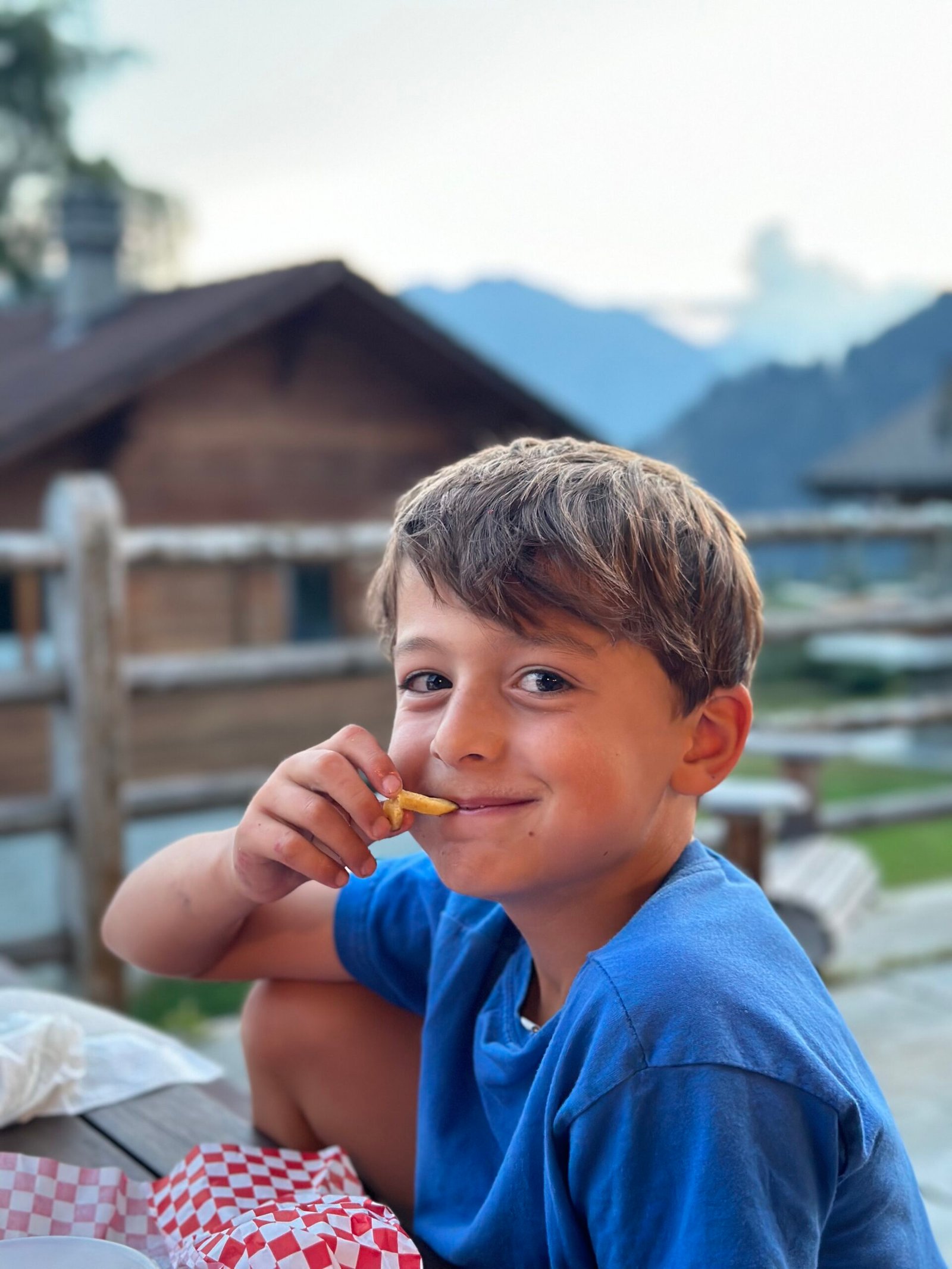
Before his diagnosis, Jack was a happy, active 9-year-old: an avid soccer player and ski racer living in Switzerland. Loved by his community.
While on summer vacation, Jack started complaining of headaches, then double vision. A doctor first sent him home with the wrong diagnosis, telling us he needed vitamins. Intuition prevailed and we booked an appointment with an astute physician who suspected something more. An MRI confirmed the unimaginable: a grade 4 malignant brain tumor.
Jack was airlifted to a specialist hospital and underwent an 8-hour brain surgery in Switzerland, followed by 6 weeks of radiation, and is currently undergoing 9 courses of chemotherapy in the United States, lasting nearly a year.
Through it all, Jack has shown — and continues to show — extraordinary resilience and courage. He has taught us more than we ever thought possible about strength, perspective and what it means to persevere when things are incredibly hard.
Our fight is for Jack, and every child and family facing this terrible disease.
Our mission
How we work
We do not build infrastructure that already exists. We partner with leading researchers, labs and like-minded organizations already doing the work, and concentrate funding behind the opportunities we believe have the greatest potential to improve outcomes for children on an accelerated basis.
Pillar 01
Advance Treatment Options
We put financial horsepower behind scientists and organizations tackling medulloblastoma — helping advance promising drugs, technologies, immunotherapies and clinical trials that can struggle to attract sufficient funding because the patient population is small.
The goal: meaningfully move the needle on survival.
Pillar 02
Supportive & Integrative Care
We support evidence-based approaches to nutrition, symptom management, rehabilitation, mental wellbeing and other supportive care that can help children tolerate treatment, recover from it and live better during and after therapy.
The goal: make existing treatment less harmful and more effective, so survival does not come at such a steep cost.
Pillar 03
Parent Education & Resources
A crash course for families on the worst day of their lives. We support efforts to put clear, reliable information in parents’ hands when they need it most.
The goal: help families understand their options, ask better questions and make more informed decisions.
Where we are focused
Medulloblastoma Group 3 & Group 4 (non-WNT/non-SHH)
Medulloblastoma is not one disease. It consists of several biologically distinct forms. The four familiar molecular groups — WNT, SHH, Group 3 and Group 4 — are now being divided further as researchers uncover important differences within each group. These differences can influence prognosis, patterns of relapse and, increasingly, how researchers think about treatment.
Our primary focus is on Group 3 and Group 4 medulloblastoma (non-WNT/non-SHH), which together account for the majority of childhood medulloblastoma and include many of the cases where better treatment options are most urgently needed.
Part of what makes brain tumors especially difficult to treat is drug delivery. The blood-brain barrier and other biological barriers can limit how effectively many drugs reach tumor cells. At the same time, treatment must protect the developing brain. Surgery, radiation and chemotherapy can cure many children, but they can also cause significant long-term effects. The challenge is therefore not simply to treat the cancer, but to increase cure rates while reducing the lifelong burden of treatment.
For most children, there is no identifiable cause. There are no known lifestyle or environmental risk factors for medulloblastoma, although a small proportion of cases are associated with inherited cancer-predisposition syndromes.
Medulloblastoma is an embryonal brain tumor whose origins lie in cells and developmental programs involved in the formation of the brain. Genetic and molecular changes can disrupt those programs, allowing cells to continue growing when they should stop.
Understanding these biological differences is increasingly important because the future of medulloblastoma treatment is unlikely to be one treatment for every child. It is more likely to involve matching therapies to the biology of each child’s tumor.
- What drives it
- Activation of the WNT signaling pathway, most commonly involving mutations in CTNNB1.
- Who it affects
- Most commonly school-age children and adolescents, although it can occur across a wider age range.
- The research challenge
- Determine how treatment can be safely reduced while maintaining excellent survival and minimizing lifelong side effects.
- What drives it
- Abnormal activation of the Sonic Hedgehog (SHH) signaling pathway, often involving genes such as PTCH1, SMO or SUFU.
- Who it affects
- Occurs across a wide age range, with biologically distinct forms seen in infants, older children and adults.
- The research challenge
- Develop treatments tailored to the specific molecular drivers within SHH, rather than treating all SHH tumors alike.
- What drives it
- A biologically diverse group of tumors with multiple molecular alterations. MYC amplification is an important high-risk feature in a subset of cases.
- Who it affects
- Primarily children and adolescents; it is uncommon in adults.
- The research challenge
- Develop more effective targeted and immune-based therapies for the highest-risk tumors and for relapse, while reducing reliance on increasingly toxic treatment.
- What drives it
- A biologically diverse group of tumors defined by a range of molecular and chromosomal alterations rather than a single dominant pathway.
- Who it affects
- Children across a broad age range. Group 4 is the most common molecular group.
- The research challenge
- Remains one of the least understood groups — creating a major opportunity for discovery and new treatments.
- What drives it
- Activation of the WNT signaling pathway, most commonly involving mutations in CTNNB1.
- Who it affects
- Most commonly school-age children and adolescents, although it can occur across a wider age range.
- The research challenge
- Determine how treatment can be safely reduced while maintaining excellent survival and minimizing lifelong side effects.
- What drives it
- Abnormal activation of the Sonic Hedgehog (SHH) signaling pathway, often involving genes such as PTCH1, SMO or SUFU.
- Who it affects
- Occurs across a wide age range, with biologically distinct forms seen in infants, older children and adults.
- The research challenge
- Develop treatments tailored to the specific molecular drivers within SHH, rather than treating all SHH tumors alike.
- What drives it
- A biologically diverse group of tumors with multiple molecular alterations. MYC amplification is an important high-risk feature in a subset of cases..
- Who it affects
- Primarily children and adolescents; it is uncommon in adults.
- The research challenge
- Develop more effective targeted and immune-based therapies for the highest-risk tumors and for relapse, while reducing reliance on increasingly toxic treatment.
- What drives it
- A biologically diverse group of tumors defined by a range of molecular and chromosomal alterations rather than a single dominant pathway.
- Who it affects
- Children across a broad age range. Group 4 is the most common molecular group of medulloblastoma.
- The research challenge
- Remains one of the least understood subgroups — creating a major opportunity for discovery and new treatments.
get involved
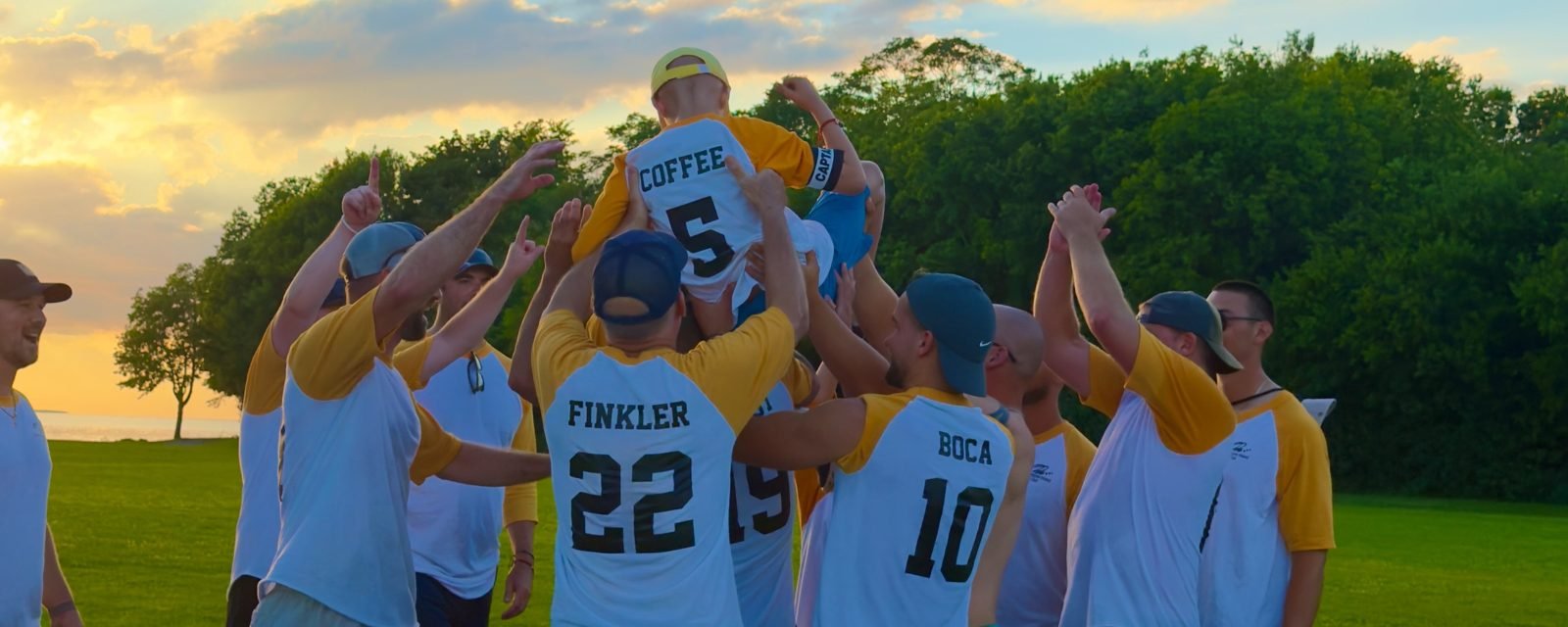
You don’t have to watch from the sidelines
Medulloblastoma is a rare disease, and promising research can struggle to attract the funding needed to move promising science from the lab to patients.
That is where we can make a difference. Your support helps us back promising research, accelerate new treatment approaches and give families better information when they need it most.
Jack brought us to this fight. Our goal is to change what comes next — for him, and for every child diagnosed after him.
Donate
Your gift helps fund the researchers, technologies and treatment approaches we believe have the greatest potential to improve outcomes for children with medulloblastoma.
Stay Involved
Follow the research we fund, the progress being made and Jack’s journey — and learn about new ways to support the charity as we grow.
Collaborate
We want to hear from researchers, clinicians, families, foundations and potential funding partners.
For research proposals, strategic partnerships, international or bespoke giving, or general inquiries, please contact: